

You can have beautifully finished floors, custom millwork, and excellent furniture, yet a room in Westchester still feels unresolved when the windows stop short at the top. We see it often in Scarsdale colonials, Bronxville Tudors, and Rye waterfront homes. The shades work. The light is controlled. But the room still looks exposed, mechanical, and slightly unfinished.
That missing layer is often a valance for windows.
Used well, a valance isn’t a decorative afterthought. It’s an architectural decision. It hides hardware, corrects proportion, softens harsh lines, and gives high-performance shades the finished look they deserve. In a luxury home, that matters.
More Than Decoration The Modern Valance in Westchester Homes
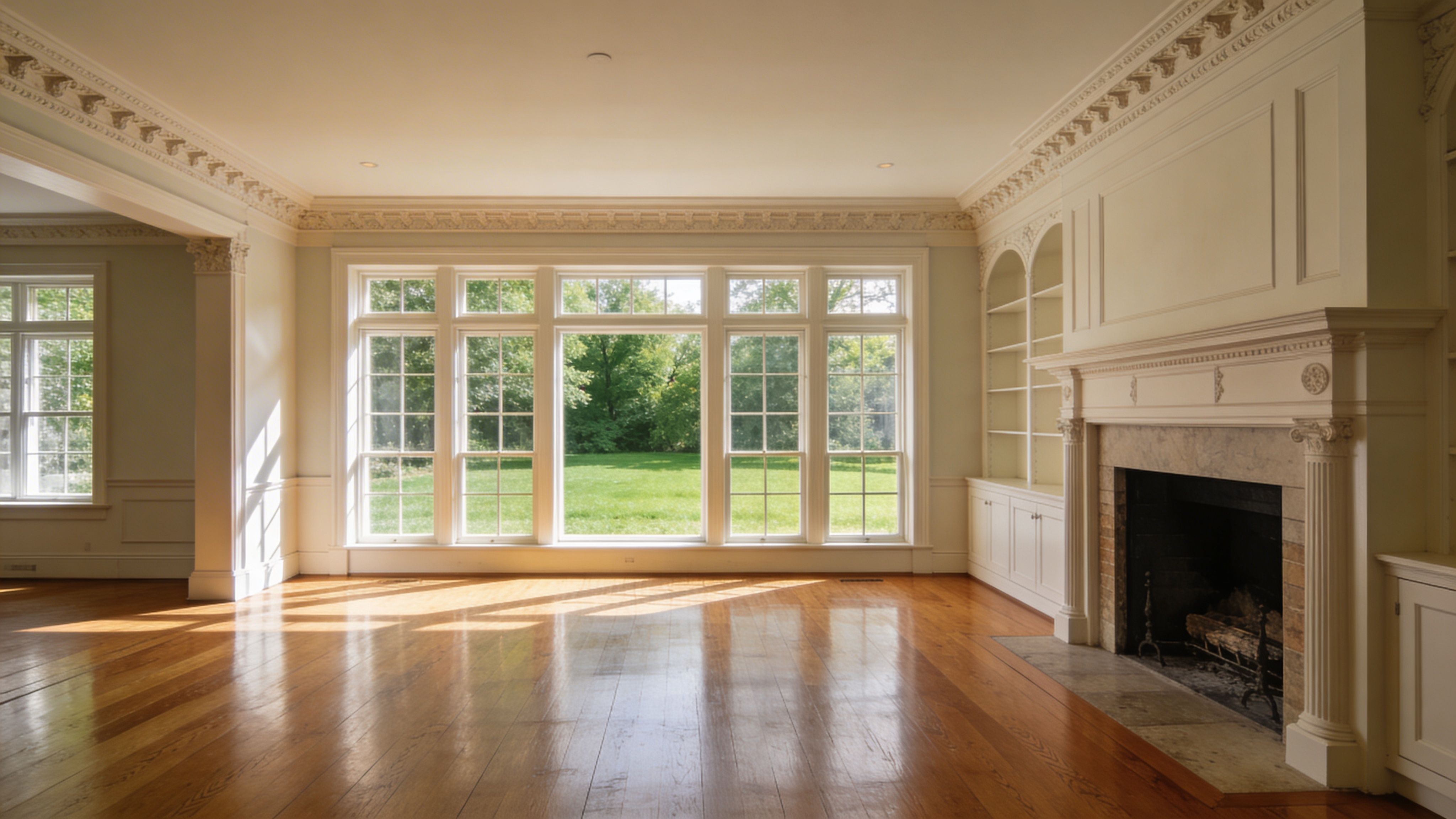
A large living room can fail for one simple reason. Your eye goes straight to the shade headrail, the mounting brackets, or the visual break between the top of the window and the ceiling. That’s enough to make a carefully designed room feel less custom than it should.
Why the top of the window matters
In many Westchester homes, windows do more than bring in light. They define the room. In a sun-filled family room overlooking the Long Island Sound or a formal dining room in an older Tudor, the upper portion of the window is where the architecture either feels finished or exposed.
That’s why I rarely treat a valance as optional in a polished room. It functions like a visual cap. It gives the window presence.
Historically, valances have always done more than decorate. They began as practical coverings in medieval Europe around the 14th century and later became defining decorative elements in Victorian interiors, which is part of why they still carry such authority in traditional and luxury rooms today, as noted in this history of the window valance.
What modern clients get wrong
The mistake is assuming valances belong only in overly formal interiors. That’s outdated thinking. Today’s best versions are quieter, more refined, and far more architectural than the swags many homeowners are trying to avoid.
A flat or softly structured valance can solve problems in rooms that already have strong bones:
- A great room feels cold: A textile valance adds softness without covering the glass.
- A roller shade looks too utilitarian: The valance hides the mechanism and restores elegance.
- Tall windows look oddly narrow: A properly designed top treatment gives the opening more visual balance.
- Historic trim feels heavy: A custom valance can bridge old architecture with cleaner furnishings.
A room doesn’t need more decoration. It needs the right finish in the right place.
Where it shows up best in Westchester
We see the strongest results in homes with generous window scale, detailed trim, and layered interiors. That includes classic Colonials in Larchmont, stone homes in Greenwich, and renovated estates in Armonk where owners want convenience without exposing every operational detail of the shade system.
The point is simple. If the top of your windows looks unresolved, the room probably is.
Actionable Design Tip: Stand at the main entry point of your room and look only at the top third of your windows. If you notice hardware, abrupt lines, or too much empty space above the treatment, a valance is likely the missing architectural layer.
Understanding the Functional Elegance of a Window Valance
A valance for windows is the soft or structured top treatment that finishes the upper section of the window. Think of it as crown molding for the glass. It completes the opening, conceals what shouldn’t be seen, and gives the treatment below it a cleaner visual line.
That’s the simplest definition. The better one is this: a valance is a design tool that solves several problems at once.
What a valance does
At its best, a valance handles three jobs simultaneously.
- Conceals hardware: It covers rods, brackets, and headrails that interrupt the room’s architecture.
- Adds softness or structure: Depending on style, it can relax a room or sharpen it.
- Improves proportion: It helps a window feel taller, wider, or more in scale with the rest of the room.
This matters in older Westchester homes where proportions can be unusual. A narrow leaded-glass window in a Tudor library needs a different visual strategy than a wide picture window in a renovated open-plan kitchen.
Valance versus cornice versus swag
Clients often use these terms interchangeably. They shouldn’t.
| Treatment | What it is | Best use |
|---|---|---|
| Valance | A fabric top treatment, soft or lightly structured | Living rooms, bedrooms, layered shade applications |
| Cornice | A firmer, upholstered architectural top treatment | Formal rooms, crisp contemporary spaces, large windows |
| Swag | A more draped, decorative fabric form | Traditional rooms when handled with restraint |
A lot of homeowners say they dislike valances when what they dislike is dated swags. Fair enough. Most luxury interiors today don’t need that look.
What they often do need is a quieter top treatment that finishes the opening without announcing itself.
Why proportion is the core issue
In many rooms, the question isn’t whether the shade works. It does. The question is whether the window feels visually integrated with the room.
A valance helps when:
- the ceiling is high and the treatment below looks undersized
- the trim is substantial and needs balancing
- the shade line feels too abrupt against plaster, wallpaper, or millwork
- the room needs a stronger horizontal or vertical finish
In a Bronxville sitting room with tall but narrow windows, for example, a shallow custom-fitted valance can make the openings feel more intentional. In a bright White Plains breakfast area, a cleaner banded top treatment can visually organize a wall of glass without making the room heavy.
The best way to think about it
Don’t think of a valance as extra fabric. Think of it as the transition point between the architecture and the shade or drapery beneath it.
That’s why cheap, off-the-shelf versions disappoint. They rarely relate to the room. They just sit there.
Practical rule: If your window treatment below the top line feels purely functional, a valance is often what turns it into part of the architecture.
Actionable Design Tip: When evaluating your windows, don’t look only at the treatment itself. Look at its relationship to the ceiling height, trim width, and furniture scale. The right valance should improve proportion, not just add fabric.
A Curated Guide to Valance Styles and Materials
Not every valance belongs in every room. That’s where homeowners go wrong. They choose a style they like in isolation instead of one that matches the architecture, the furniture, and the level of formality the room can support.
The strongest results come from choosing a style that feels inevitable in the space.
The styles worth considering now
Modern valances are valued because they can conceal all blind headrails and mounting brackets while also helping windows appear taller. Precision-crafted flat and box-pleat styles have become especially relevant in upscale interiors, where they’re specified in over 65% of upscale US homes, according to Blindsgalore’s overview of modern window valances.
That shift matters. It confirms what designers already know. The valance has moved away from fussy excess and back toward clean architectural finishing.
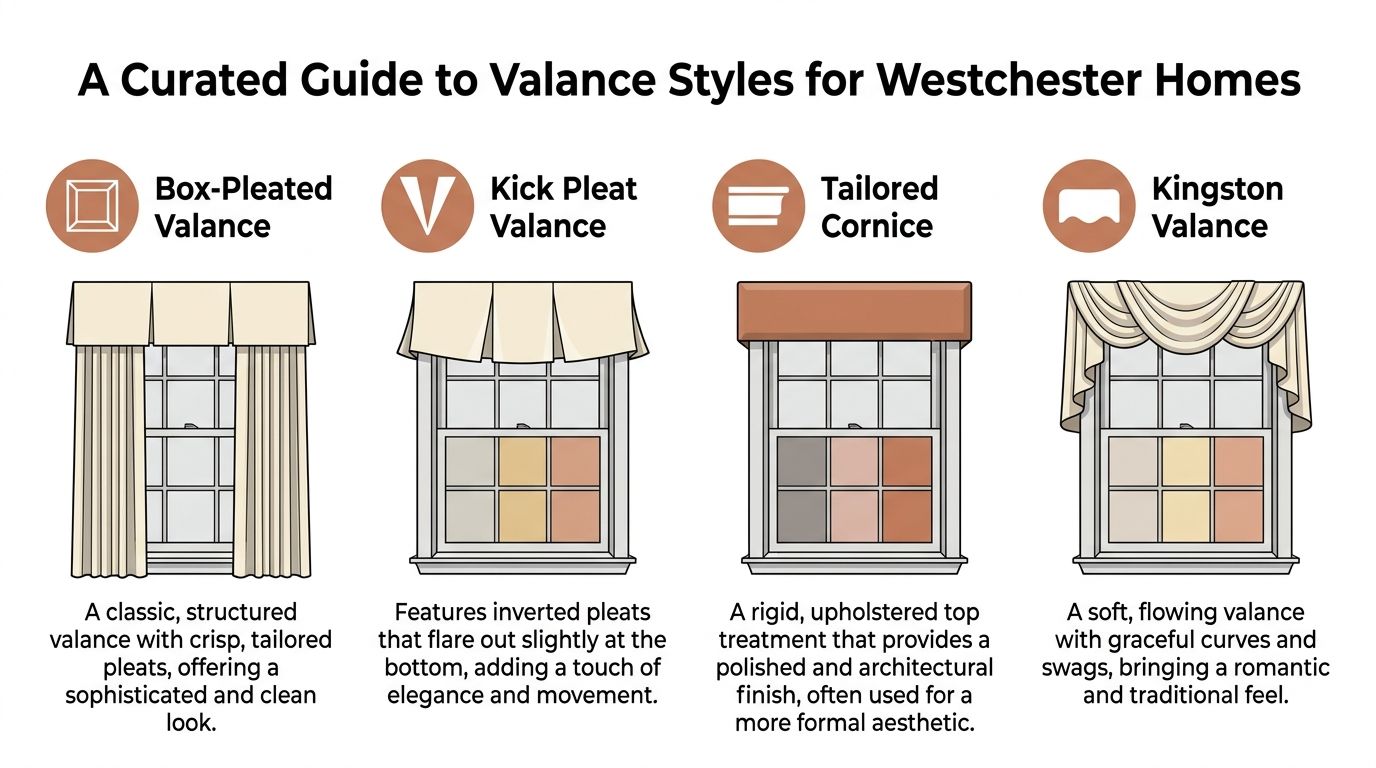
Box-pleated valance
This is the most dependable choice for a refined home.
It has order, structure, and enough presence to hold its own in a formal room without becoming theatrical. In an Armonk dining room or a Scarsdale study with paneled walls, a box-pleated valance gives the window a crisp top line and works especially well over Roman shades or drapery panels.
Best for:
- formal dining rooms
- libraries and studies
- transitional living rooms
- bedrooms that need polish without softness
Kick pleat valance
A kick pleat has a bit more movement. It still feels well-defined, but not rigid.
This is a strong middle ground for homeowners who want elegance without severity. It suits family rooms, breakfast spaces, and renovated Colonials where the furniture mix is traditional but relaxed.
It solves a common problem in Westchester homes. The room feels established, but the window treatment below looks too flat on its own.
Fitted cornice
Technically, this sits adjacent to the valance category, but clients often consider it in the same decision set. A custom-fitted cornice is more architectural, more defined, and ideal when the room benefits from sharper geometry.
Use it when the home already has strong structure:
- substantial crown molding
- substantially cased windows
- cleaner upholstery lines
- larger expanses of glass
A cornice over solar or roller shades works especially well in contemporary renovations where you want performance and discretion at the same time.
Kingston valance
This style is softer and more traditional, with curved shaping and a more decorative personality. It belongs in homes that can support that language.
A Kingston valance can look right in a gracious bedroom, a formal sitting room, or a historic house with antique furnishings. It can also look completely wrong in a minimal renovation. Context decides everything.
Material matters more than commonly recognized
The fabric determines whether a valance feels current, heavy, crisp, relaxed, or expensive.
Consider the effect of each material family:
- Linen: Casual sophistication. Excellent for airy bedrooms, relaxed family rooms, and lighter transitional interiors.
- Velvet: Depth and richness. Best in formal rooms, media spaces, and bedrooms that need warmth.
- Performance blends: Practical elegance. Strong choice for sunny exposures and active family spaces.
- Woven textures: Subtle character. Useful when a room needs quiet texture rather than pattern.
Curated lines from brands such as Horizons and Alta matter because the fabrication quality shows. The pleat definition is better. The lining behaves properly. The finished shape holds.
A quick comparison for room matching
| Style | Visual effect | Works best in |
|---|---|---|
| Box-pleated | Crisp and structured | Formal dining rooms, studies, transitional living spaces |
| Kick pleat | Controlled movement | Family rooms, breakfast areas, relaxed traditional homes |
| Fitted cornice | Architectural and polished | Contemporary renovations, large windows, solar shade applications |
| Kingston | Soft and traditional | Formal bedrooms, sitting rooms, historic interiors |
The style should match the room’s level of ceremony. If the room is casual, don’t force formality onto the window.
Actionable Design Tip: Match the valance style to the room’s formality before you think about fabric. If your space is clean-lined and transitional, start with a flat, box-pleated, or lightly structured option. Save more decorative profiles for rooms with genuine traditional weight.
The Art of Layering Valances with Other Window Treatments
A valance on its own can finish a window. Layered properly, it becomes far more useful, and the design becomes interesting.
The best layered treatments in Westchester don’t just look richer. They solve specific performance issues. Privacy. Harsh afternoon glare. Heat loss in winter. Exposed motors. The valance is often the element that makes the whole system feel cohesive instead of assembled.
Valance over cellular shades
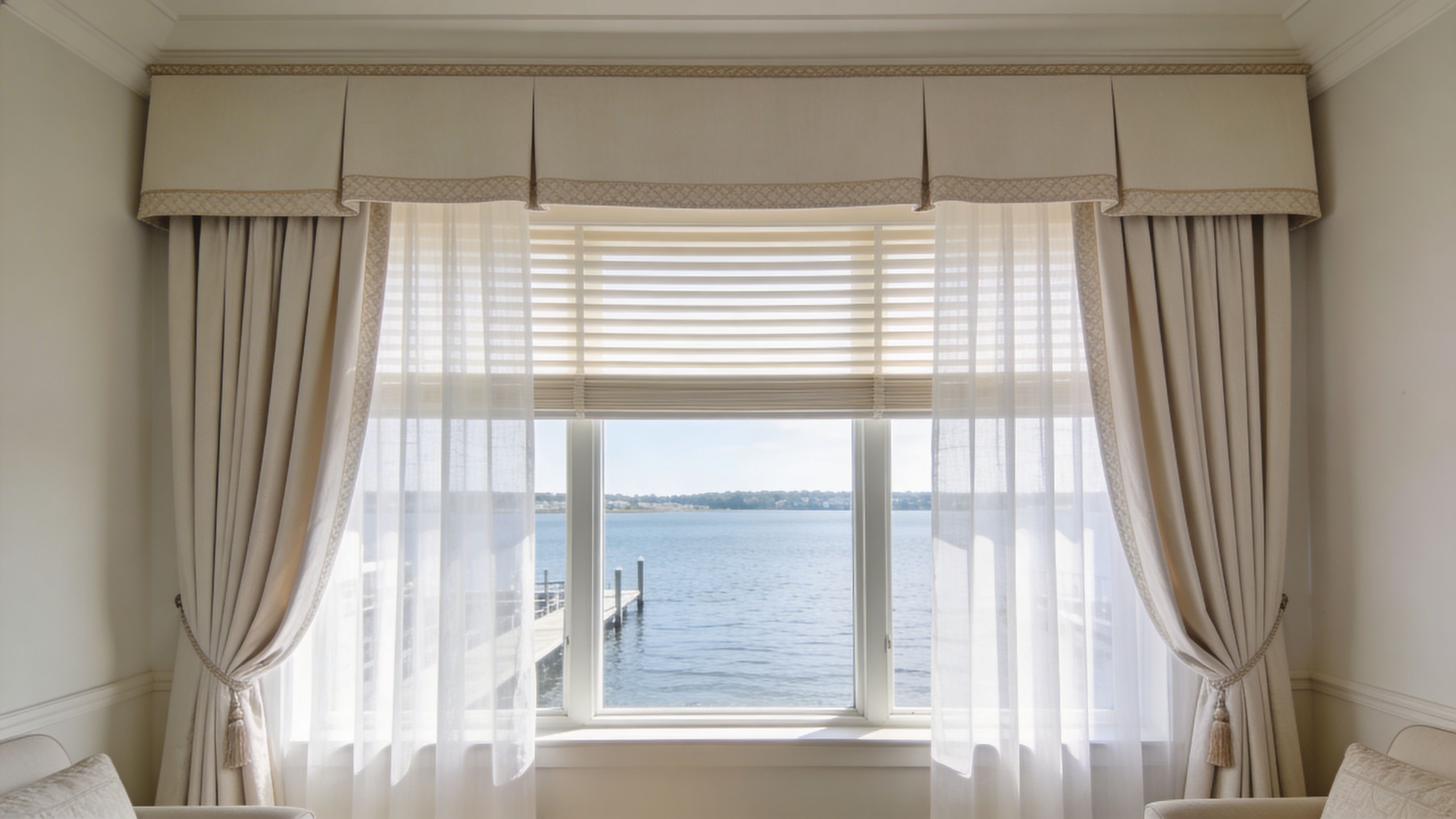
This is one of the smartest combinations for Northeast homes.
When paired with high-performance cellular shades, a properly installed valance can help reduce energy escape through the top of the window, which is responsible for a significant portion of a room’s heat loss. That’s why this pairing works so well in draft-prone older homes, as noted in the earlier historical source on valances.
In practical terms, this combination works beautifully in:
- Primary bedrooms: especially where you want insulation and a quieter, more finished look
- Guest rooms: where blackout cellular shades need a softer face
- Older homes: where winter drafts collect at the top of the opening
A north-facing bedroom in a Tudor-style home, for example, often benefits from blackout honeycomb shades under a custom-fitted valance. The shades handle darkness and insulation. The valance eliminates the exposed top line that would otherwise make the treatment look temporary.
Valance with shutters
Plantation shutters are excellent for control and permanence, but they can feel visually hard. A fabric valance above them softens the composition.
This works especially well in sunrooms, breakfast rooms, and family spaces where you want the durability of shutters but don’t want the room to feel too rigid. In a bright kitchen in Chappaqua, that extra fabric layer can also connect the windows to upholstered seating or banquette cushions.
For broader inspiration on balancing soft and structured treatments, these living room curtain ideas show how layered window design can change the tone of a room.
Cornice or valance over solar and roller shades
This is the pairing I recommend most often in contemporary homes and large open-plan renovations.
Roller and solar shades are efficient, clean, and ideal for preserving views. They are not decorative. Left exposed, they can read as purely functional.
A cornice or precision-made valance above them fixes that immediately.
Use this combination in:
- great rooms with oversized windows
- media rooms that need glare control
- offices where screen visibility matters
- waterfront homes with strong sun exposure
Later in the day, when western sun cuts across a Rye great room, solar shades do the technical work. The valance ensures the room still feels designed when the shades are lowered.
Here’s a useful demonstration of layered treatment possibilities in motion:
Valance with drapery panels
This combination is less about concealment and more about composition. The valance establishes the top line. The drapery panels add verticality and softness.
It’s especially effective when you want a room to feel complete from every angle. In formal living rooms and dining rooms, this pairing often delivers the strongest sense of finish.
Start with the problem, not the product. If the problem is glare, privacy, or exposed hardware, the best layering choice becomes much clearer.
Actionable Design Tip: Identify the primary job your window treatment must do first. If it’s insulation, pair a valance with cellular shades. If it’s softening hard lines, consider shutters plus fabric. If it’s hiding mechanisms in a clean modern room, use a custom-fitted valance or cornice over roller or solar shades.
Elevating Function with Motorization and Smart Home Integration
If you’re investing in a high-end home, motorization shouldn’t feel like a gadget. It should feel invisible. That’s exactly why a valance matters.
The motor, wiring, headrail, and hardware all need a visual envelope. Without one, even premium automated shades can look technical in the wrong way. A smart home should feel integrated, not exposed.
Why valances matter even more with automation
In high-end homes, motorized valances integrated with Somfy or Lutron systems enable precise light control and can reduce energy consumption by up to 30% through automated scheduling aligned with solar gain patterns. Timed correctly, these systems can block 75-95% of solar heat, according to Blinds.com’s smart-home motorization overview.
That performance is compelling. But visually, the system still has to belong in the room.
A valance solves the design side of motorization by concealing the operational components and preserving a clean architectural line. In a double-height foyer in Bronxville or a wide rear elevation in Greenwich, that clean finish is the difference between integrated luxury and visible equipment.
Where motorized valances make the most sense
Some spaces benefit immediately:
- Hard-to-reach windows: foyers, stair halls, and skylight-adjacent spaces
- Sun-intensive rooms: west-facing great rooms and waterfront exposures
- Whole-home projects: where unified scheduling matters
- Bedrooms: where quiet privacy control should happen without cords or manual adjustment
A motorized shade in a home office can lower automatically as afternoon sun intensifies. A concealed valance keeps the room from looking like a workplace system. It stays residential, polished, and calm.
For a closer look at integrated automation in local projects, this page on motorized shades and smart blinds in Armonk NY shows how these systems fit into real homes.
My recommendation for luxury homes
Plan for motorization early, even if you’re not installing it in every room immediately.
That doesn’t mean over-automating the house. It means identifying the windows where convenience, sun management, and daily use justify a smarter system. Then design the valance with that future in mind.
The homes that feel the most resolved are usually the ones where the automation was considered from the beginning. The wiring is hidden. The shade pocket is clean. The valance profile is proportionate. Nothing looks added later.
In a premium interior, convenience should disappear into the architecture.
Actionable Design Tip: If you’re renovating or furnishing a home now, decide which windows may need motorization later. Designing the valance and treatment stack around future automation from the start avoids compromises you’ll notice every day.
The Westchester Window Fashions Difference Custom Design and Professional Installation
Custom window design succeeds or fails on precision. Not theory. Not showroom samples under artificial lighting. Precision.
That’s especially true in Westchester, where homes often have deep casings, uneven plaster, historic trim details, arched windows, and room-by-room differences that generic solutions don’t handle well.
Why custom matters
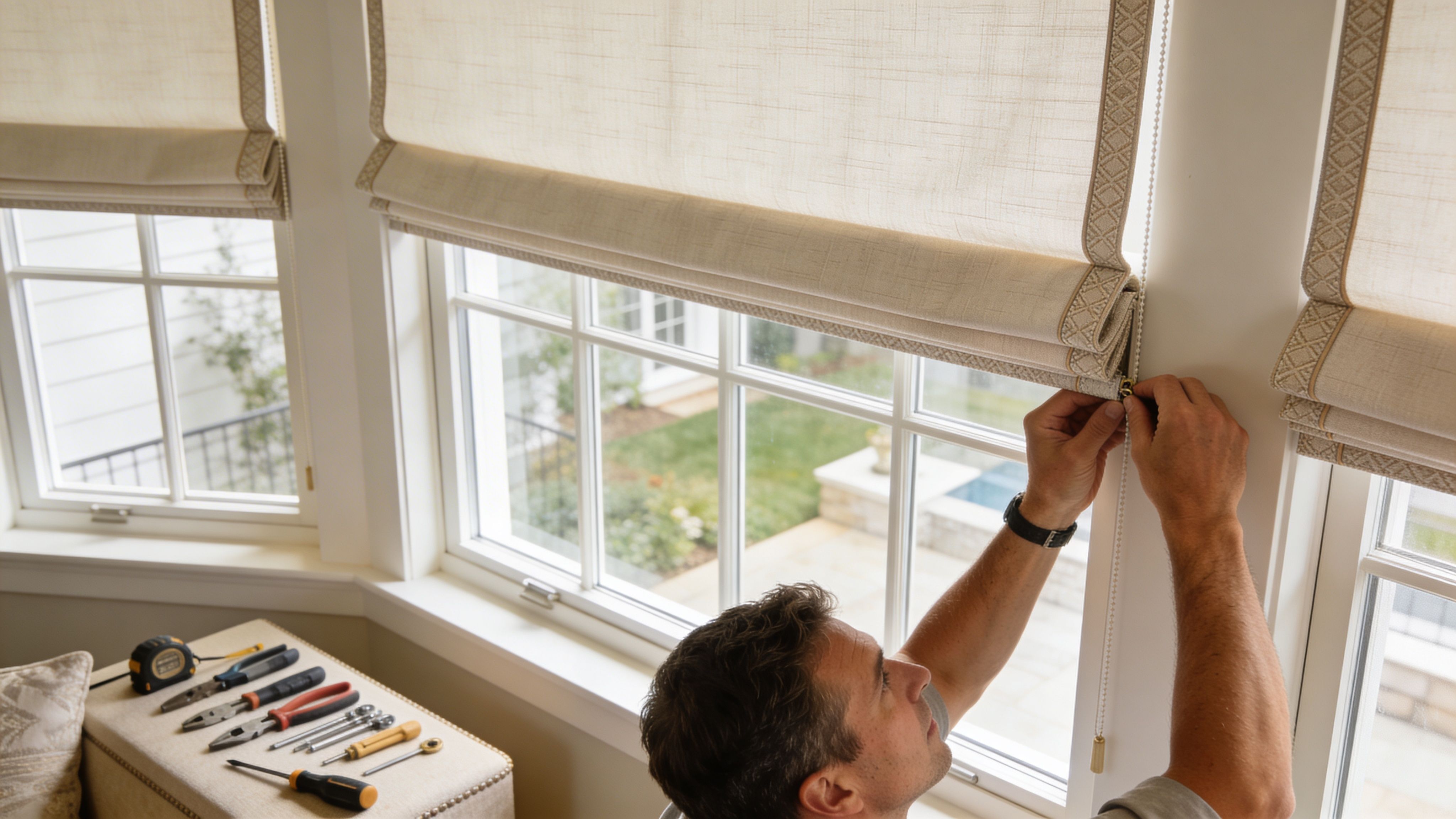
Professional interior designers specify custom valances in a majority of high-end whole-home projects, and expert installation typically positions them to extend about a short distance beyond each side of the window frame for better framing and light control, as noted in the earlier historical reference.
That kind of proportion isn’t guesswork. It’s the result of looking at the actual room, the trim profile, the stack of the shade beneath, and the sightlines from across the space.
A valance that’s slightly too shallow, too narrow, or poorly aligned doesn’t just miss the mark. It makes the whole window treatment look second-rate.
A real Westchester example
In one Tudor-style home in Scarsdale, the challenge wasn’t choosing a beautiful fabric. The challenge was respecting the architecture.
The windows had distinctive character, heavy trim, and proportions that would have made a stock treatment look careless. The solution was a custom top treatment shaped to complement the architecture and paired with shades that delivered daily privacy and light control without visual clutter.
That’s the difference between buying a product and designing a result.
What professional installation protects you from
Off-the-shelf options usually fail in predictable ways:
- Poor scale: the top treatment looks undersized for the opening
- Visible hardware: the very thing you wanted to hide remains exposed
- Fabric mismatch: what looked good in a store looks wrong in your home’s natural light
- Operational conflict: the valance and the shade beneath interfere with one another
- Architectural disconnect: the treatment ignores the room’s style and trim language
That’s why in-home review matters so much. Seeing materials in the actual space changes the decision. The right neutral in a Rye waterfront home is not necessarily the right neutral in a paneled Bronxville study.
For homeowners considering a more complete layered treatment, this overview of custom drapery shows how top treatments and full fabric systems work together.
The value of a warranty-backed process
Premium window treatments should last, operate correctly, and hold their shape. They should also be installed once, properly.
That’s what custom design and professional installation deliver. Not more complexity. Less regret.
The most expensive window treatment is the one that has to be replaced because it was chosen or installed without enough expertise.
Actionable Design Tip: When you speak with any window treatment provider, ask about their experience with homes that match yours in age, scale, and architectural style. A provider who understands Westchester housing stock will make better design and installation decisions from the start.
Your Vision Expertly Realized
A well-chosen valance changes more than the top of a window. It changes how the entire room reads.
It can make a treatment look built in rather than applied. It can soften hard architectural lines, conceal hardware, support layered shading, and give motorized systems the polished finish they require. In the right home, it’s not a decorative extra. It’s part of the architecture.
That’s why I recommend treating a valance for windows as a design decision, not an accessory purchase. The style matters. The fabric matters. The proportions matter. Most of all, the integration with the room and the treatment beneath it matters.
In Westchester homes, that judgment is especially important. Older houses need sensitivity to trim, plaster, and proportion. Newer renovations need clean detailing and technical coordination. Large homes with expansive glass need solutions that perform well in summer sun and winter cold while still looking composed from every angle.
The best results come from a complete view of the room. Not just the window.
If your home feels almost finished but not quite resolved, look up. The answer may be at the top of the window.
Actionable Design Tip: Before making any final decision, evaluate your windows from the seating areas you use most often. If the treatment below works but the room still feels exposed or incomplete, you likely need a custom top treatment, not a different shade.
If you’re ready to refine your home with a custom valance, layered shades, or fully integrated smart window treatments, schedule a Complimentary In-Home Design Consultation in Westchester with Westchester Window Fashions. We bring the showroom to you, evaluate your home in its actual light, and design a solution that fits the architecture, performs beautifully, and feels finished for years to come.


